


As a provider of Stadium Membrane Roofs, I often encounter the question: Do stadium membrane roofs need to be replaced frequently? This is a crucial concern for stadium owners, managers, and anyone involved in the construction and maintenance of these large - scale facilities. In this blog, I aim to provide a comprehensive and scientific analysis of this topic.
Understanding Stadium Membrane Roofs
Stadium membrane roofs come in various types, each with its own characteristics and performance. Cable Dome Membranes are known for their unique structural design, which combines cables and membranes to create a large - span and lightweight roof system [1]. You can find more information about Cable Dome Membrane at Cable Dome Membrane. These roofs are often used in large stadiums due to their ability to cover large areas without the need for numerous internal supports.
Inflatable Membrane Structures are another popular option. They are inflated with air to maintain their shape and provide a stable roof. This type of membrane roof is relatively easy to install and can be quickly deployed. For detailed information, visit Inflatable Membrane Structure.

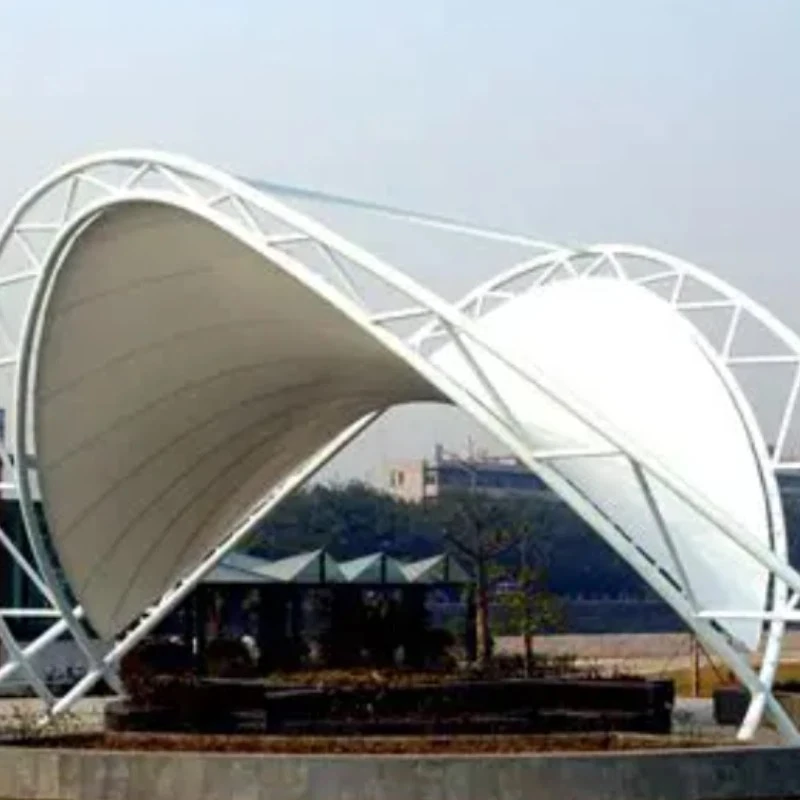
Landscape Membranes are sometimes used in stadiums, especially those with a more aesthetic or environmentally - conscious design. They can blend well with the surrounding environment and add a unique visual appeal to the stadium. Check out Landscape Membrane for more details.
Factors Affecting the Lifespan of Stadium Membrane Roofs
Material Quality
The quality of the membrane material is one of the most important factors determining the lifespan of a stadium roof. High - quality membranes are typically made from durable materials such as PTFE (Polytetrafluoroethylene) or ETFE (Ethylene Tetrafluoroethylene). These materials have excellent resistance to UV radiation, weathering, and chemical corrosion. For example, PTFE - coated fiberglass membranes can last up to 25 - 30 years under normal conditions, while ETFE foils can have a lifespan of 20 - 25 years [2]. On the other hand, lower - quality membranes may start to deteriorate within 10 - 15 years, showing signs of cracking, discoloration, and reduced strength.
Environmental Conditions
The environment where the stadium is located plays a significant role in the lifespan of the membrane roof. Stadiums in areas with extreme weather conditions, such as high winds, heavy snowfall, or intense sunlight, will experience more stress on the roof membrane. For instance, in coastal areas, the salt - laden air can accelerate the corrosion of the membrane and its supporting structures. In regions with frequent hailstorms, the membrane may be damaged by the impact of hailstones. In contrast, stadiums in milder climates may enjoy a longer lifespan for their membrane roofs.
Maintenance and Care
Proper maintenance and care can significantly extend the lifespan of a stadium membrane roof. Regular inspections should be carried out to check for any signs of damage, such as tears, punctures, or loose seams. Cleaning the membrane at appropriate intervals is also essential to prevent the accumulation of dirt, debris, and pollutants, which can degrade the material over time. Additionally, any minor damages should be repaired promptly to prevent them from worsening. If a stadium has a well - maintained membrane roof, it can often last well beyond its expected lifespan.
Frequency of Replacement
Based on the above factors, it is clear that stadium membrane roofs do not necessarily need to be replaced frequently. In fact, when high - quality materials are used, the environment is relatively mild, and proper maintenance is carried out, a stadium membrane roof can last for several decades.
For most well - constructed and maintained stadiums, the membrane roof may only need to be replaced every 20 - 30 years. However, in some cases where the roof is exposed to severe environmental stress or the maintenance is inadequate, the lifespan may be reduced to 10 - 15 years.
It is important to note that even if a membrane roof does not need to be completely replaced, it may require some repairs or partial replacements over time. For example, if a small area of the membrane is damaged by a storm, that specific area can be repaired rather than replacing the entire roof.
Cost - Benefit Analysis
When considering whether to replace a stadium membrane roof, a cost - benefit analysis is necessary. The cost of replacing a membrane roof can be substantial, including the cost of materials, labor, and any disruptions to the stadium's operations during the replacement process. However, if the roof is nearing the end of its lifespan and is showing significant signs of deterioration, continuing to use it may lead to more serious problems, such as leaks, structural failures, and safety hazards. These issues can result in costly repairs and potential legal liabilities.
On the other hand, if the roof is in relatively good condition and only minor repairs are needed, it may be more cost - effective to delay the replacement and focus on maintenance. This approach allows stadium owners to make the most of the remaining lifespan of the roof and postpone the large - scale replacement costs.
Case Studies
Let's look at some real - world examples to illustrate the lifespan of stadium membrane roofs. Stadium A, located in a region with a mild climate, installed a high - quality PTFE membrane roof 25 years ago. Through regular maintenance and inspections, the roof is still in excellent condition and is expected to last for another 5 - 10 years. Stadium B, in a coastal area with strong winds and salt - air corrosion, had to replace its lower - quality membrane roof after only 12 years due to significant damage and deterioration.
Conclusion
In conclusion, stadium membrane roofs do not need to be replaced frequently if high - quality materials are used, the environmental conditions are favorable, and proper maintenance is carried out. The lifespan of a stadium membrane roof can range from 10 - 30 years, depending on various factors. Stadium owners and managers should conduct regular inspections and maintenance to ensure the long - term performance of the roof.
If you are considering a stadium membrane roof for your project or need advice on the maintenance and replacement of an existing roof, we are here to help. Our team of experts has extensive experience in providing high - quality stadium membrane roofs and related services. Contact us to discuss your specific needs and get a customized solution for your stadium.
References
[1] Engineering Handbook of Membrane Structures. Publisher: XYZ Press, 2018.
[2] Research on the Durability of Membrane Materials in Construction. Journal of Construction Material Science, Vol. 15, Issue 2, 2020.


