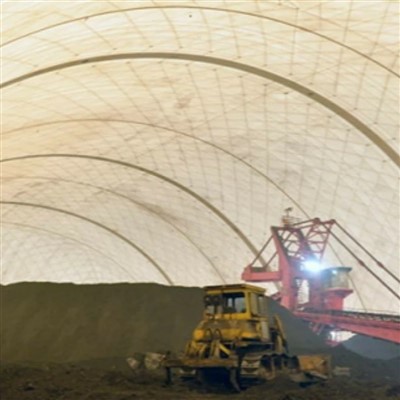
As a supplier to a steel industrial plant, I've witnessed firsthand the critical role that environmental management systems (EMS) play in this sector. Steel production is an energy - intensive and resource - consuming process, which makes it essential to implement effective EMS to minimize its environmental impact. In this blog, I'll delve into the various environmental management systems in a steel industrial plant.
1. ISO 14001: The Global Standard for Environmental Management
ISO 14001 is an internationally recognized standard for environmental management systems. It provides a framework that helps organizations, including steel industrial plants, to identify, control, and reduce their environmental impacts. A steel plant implementing ISO 14001 will first conduct an environmental review. This involves assessing all aspects of the plant's operations, from raw material extraction to the final product delivery.
For example, during the raw material extraction phase, the plant can evaluate the environmental impact of mining iron ore. By implementing ISO 14001, the plant can set objectives to reduce the amount of waste generated during the mining process and improve the efficiency of water usage. In the steel - making process, which is highly energy - intensive, the plant can aim to reduce its carbon emissions by optimizing its energy consumption. This could involve upgrading to more energy - efficient furnaces or implementing waste - heat recovery systems.
The standard also requires the plant to have a system for monitoring and measuring its environmental performance. Regular audits are conducted to ensure that the EMS is being effectively implemented and that the plant is meeting its environmental objectives. ISO 14001 not only helps the steel plant to be more environmentally responsible but also enhances its reputation in the market. Customers, especially those in environmentally - conscious industries such as Offshore Platform Structure and Petrochemical Steel Structure, are more likely to choose a supplier with a certified EMS.
2. Cleaner Production Strategies
Cleaner production is an approach that aims to prevent pollution at the source rather than treating it after it has been generated. In a steel industrial plant, cleaner production strategies can be applied at every stage of the production process.
Raw Material Selection
The choice of raw materials can have a significant impact on the environmental performance of the steel plant. For instance, using high - quality iron ore can reduce the amount of waste generated during the smelting process. Additionally, the plant can explore the use of recycled steel as a raw material. Recycling steel requires significantly less energy compared to producing steel from virgin materials. It also reduces the demand for mining, which has a large environmental footprint.
Process Optimization
Optimizing the steel - making process is crucial for reducing environmental impacts. One way to do this is by improving the efficiency of the blast furnace. By using advanced technologies such as top - gas recycling, the blast furnace can reduce its energy consumption and carbon emissions. Another aspect of process optimization is the control of air emissions. Steel plants produce a variety of pollutants, including particulate matter, sulfur dioxide, and nitrogen oxides. Installing advanced air pollution control devices such as electrostatic precipitators and flue - gas desulfurization systems can significantly reduce these emissions.
Waste Management
Proper waste management is an integral part of cleaner production. Steel plants generate a large amount of solid waste, such as slag and dust. Instead of disposing of these wastes in landfills, the plant can find ways to reuse or recycle them. For example, slag can be used as a raw material in the production of cement or as an aggregate in construction. Dust can be recycled back into the steel - making process or used in other industries.
3. Energy Management Systems
Energy is one of the most significant inputs in steel production, and effective energy management is essential for reducing costs and environmental impacts.
Energy Audits
Conducting regular energy audits is the first step in an energy management system. An energy audit involves a detailed analysis of the plant's energy consumption patterns, identifying areas where energy is being wasted, and recommending measures for improvement. For example, an energy audit might reveal that a particular piece of equipment is consuming more energy than necessary due to inefficiencies. The plant can then take steps to repair or replace the equipment.
Energy Efficiency Improvements
There are numerous ways to improve energy efficiency in a steel plant. One of the most effective methods is waste - heat recovery. Steel - making processes generate a large amount of waste heat, which can be recovered and used to pre - heat incoming materials or to generate electricity. Another approach is to use energy - efficient lighting and motors throughout the plant. By replacing traditional incandescent bulbs with LED lights and upgrading to high - efficiency motors, the plant can significantly reduce its electricity consumption.
Renewable Energy Integration
Increasingly, steel plants are looking to integrate renewable energy sources into their energy mix. Solar panels can be installed on the rooftops of the plant buildings to generate electricity. Wind turbines can also be used in areas with suitable wind resources. By using renewable energy, the plant can reduce its reliance on fossil fuels and lower its carbon emissions.
4. Water Management Systems
Water is another critical resource in steel production, and proper water management is essential for sustainable operations.
Water Conservation
Steel plants can implement various water - conservation measures. For example, they can recycle and reuse water within the plant. Cooling water, which is used in large quantities in the steel - making process, can be treated and reused instead of being discharged. Additionally, the plant can install water - saving devices such as low - flow faucets and toilets in its facilities.
Water Quality Management
Ensuring the quality of the water used and discharged by the plant is crucial. Steel plants need to treat their wastewater to remove pollutants before discharging it into the environment. This can involve processes such as sedimentation, filtration, and chemical treatment. By managing water quality effectively, the plant can protect local water bodies from pollution.


5. Environmental Monitoring and Reporting
Environmental monitoring and reporting are essential for ensuring the effectiveness of the environmental management systems in a steel industrial plant.
Monitoring
Continuous monitoring of environmental parameters such as air quality, water quality, and energy consumption is necessary. The plant can install sensors and monitoring equipment at various locations within the plant to collect data on these parameters. This data is then analyzed to identify trends and potential problems. For example, if the monitoring data shows an increase in air pollutant emissions, the plant can investigate the cause and take corrective actions.
Reporting
Regular environmental reporting is a way for the steel plant to communicate its environmental performance to stakeholders. The plant can publish annual environmental reports that detail its environmental objectives, achievements, and future plans. These reports can be used to demonstrate the plant's commitment to environmental sustainability to customers, investors, and the public.
6. Stakeholder Engagement
Engaging with stakeholders is an important part of environmental management in a steel industrial plant. Stakeholders include employees, customers, local communities, and regulatory authorities.
Employee Training and Awareness
Employees are the key to the successful implementation of environmental management systems. The plant should provide regular training to its employees on environmental issues and the importance of following environmental policies and procedures. By raising employee awareness, the plant can ensure that everyone is actively involved in reducing the plant's environmental impact.
Customer Engagement
Customers play a crucial role in driving the environmental performance of the steel plant. The plant can engage with its customers, especially those in industries such as Power Transmission Tower, to understand their environmental requirements and expectations. By meeting these requirements, the plant can strengthen its relationships with customers and gain a competitive edge in the market.
Community Engagement
Engaging with the local community is essential for maintaining a good social license to operate. The plant can organize community outreach programs to inform the public about its environmental initiatives and to address any concerns they may have. For example, the plant can hold public meetings to discuss its plans for reducing air emissions or improving water quality.
Regulatory Compliance
Complying with environmental regulations is a legal requirement for steel plants. The plant needs to stay updated on the latest environmental regulations and ensure that its operations are in full compliance. By working closely with regulatory authorities, the plant can avoid potential fines and legal issues.
Conclusion
In conclusion, environmental management systems in a steel industrial plant are multi - faceted and essential for sustainable operations. By implementing ISO 14001, cleaner production strategies, energy management systems, water management systems, and effective monitoring and reporting, the plant can significantly reduce its environmental impact. Stakeholder engagement also plays a crucial role in ensuring the success of these systems.
As a supplier to the steel industrial plant, I understand the importance of these environmental management systems. I am committed to working with the plant to support its environmental initiatives. If you are interested in sourcing high - quality steel products from a supplier that is environmentally responsible, we would be delighted to engage in a procurement discussion. We can provide you with more information about our products and how our steel industrial plant's environmental management systems ensure the sustainability of our supply chain.
References
- ISO 14001:2015 Environmental management systems — Requirements with guidance for use.
- Cleaner Production in the Iron and Steel Industry. United Nations Industrial Development Organization.
- Energy Management in the Steel Industry. International Energy Agency.
- Water Management Best Practices in Steel Plants. World Steel Association.