


What is Fiberglass Wool?
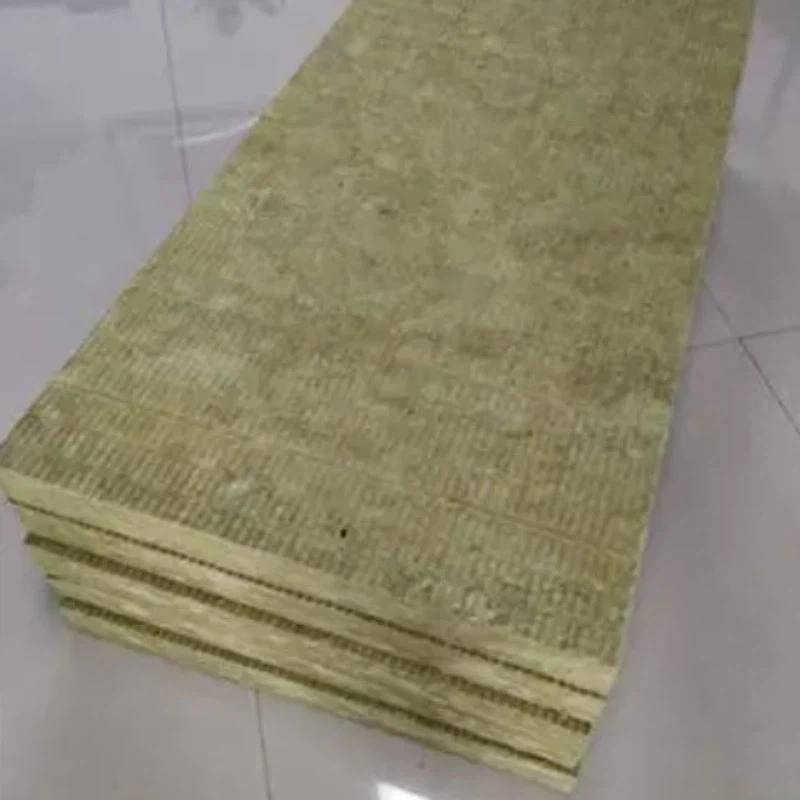
Fiberglass wool, a remarkable insulation material, has been revolutionizing the construction and industrial sectors for decades. As a leading supplier of Fiberglass Wool, I am excited to delve into the details of this exceptional product, exploring its composition, properties, applications, and advantages.
Composition and Manufacturing Process
Fiberglass wool is primarily made from fine fibers of glass. These fibers are created by melting various types of glass, such as silica sand, soda ash, and limestone, at extremely high temperatures. Once the glass is molten, it is extruded or blown through small nozzles to form thin fibers. These fibers are then collected and bonded together using a resin binder to create a wool - like material.
The manufacturing process is highly controlled to ensure consistent quality and performance. Advanced technologies are employed to produce fibers of uniform diameter and length, which contribute to the overall effectiveness of the fiberglass wool.
Properties of Fiberglass Wool
-
Thermal Insulation
One of the most significant properties of fiberglass wool is its excellent thermal insulation capabilities. The tiny air pockets trapped within the fibers act as barriers to heat transfer. This means that in a building, it can keep the interior warm during cold weather and cool during hot weather, reducing the energy consumption required for heating and cooling systems. For example, in a well - insulated house with fiberglass wool insulation, the energy bills can be significantly lower compared to a non - insulated or poorly insulated building. -
Sound Insulation
Fiberglass wool also excels in sound insulation. The fibers absorb sound waves, reducing the transmission of noise from one area to another. This is particularly useful in commercial buildings, such as offices and schools, where a quiet environment is essential for productivity and learning. In residential settings, it can help create a peaceful living space by blocking out external noises like traffic and neighbors' activities. -
Fire Resistance
Fiberglass wool is non - combustible, making it a safe choice for various applications. It does not contribute to the spread of fire and can act as a fire barrier, protecting structures and occupants in case of a fire. This property is crucial in buildings where fire safety is a top priority, such as hospitals, hotels, and high - rise buildings. -
Chemical Resistance
It is resistant to most chemicals, which means it can be used in industrial environments where exposure to chemicals is common. This makes it suitable for insulating pipes and equipment in chemical plants, refineries, and other industrial facilities. -
Lightweight and Flexible
Fiberglass wool is lightweight, which makes it easy to handle and install. It can be cut and shaped to fit different spaces and applications, whether it's insulating a small attic or a large industrial duct. Its flexibility also allows for seamless installation around irregularly shaped objects.
Applications of Fiberglass Wool
-
Building Insulation
In the construction industry, fiberglass wool is widely used for insulating walls, roofs, and floors. It can be installed in both new construction projects and retrofit applications. For example, in a new residential building, fiberglass wool batts can be placed between the wall studs to provide thermal and sound insulation. In a commercial building, blown - in fiberglass wool can be used to insulate large open spaces in the ceiling. -
Industrial Insulation
Industries rely on fiberglass wool for insulating pipes, boilers, furnaces, and other equipment. It helps to maintain the temperature of the equipment, reducing heat loss and improving energy efficiency. For instance, in a power plant, fiberglass wool insulation on steam pipes can prevent heat from escaping, ensuring that the steam retains its energy for power generation. -
Automotive and Aerospace
Fiberglass wool is also used in the automotive and aerospace industries. In cars, it can be used for soundproofing the interior and insulating the engine compartment. In the aerospace industry, it is used to insulate aircraft cabins and equipment, providing thermal and acoustic protection.
Comparison with Other Insulation Materials
When compared to other insulation materials like Rock Wool, fiberglass wool has several advantages. While rock wool is also a good insulator and has high fire resistance, fiberglass wool is generally lighter and more flexible, which makes it easier to install. Additionally, fiberglass wool is often more cost - effective, making it a popular choice for many applications.
Another material that is sometimes used for insulation is Sleeve Pipe. However, sleeve pipes are mainly used for protecting pipes and may not provide the same level of thermal and sound insulation as fiberglass wool. Fiberglass wool can be used in combination with sleeve pipes to enhance the overall insulation performance.
Advantages of Choosing Our Fiberglass Wool
As a supplier of Fiberglass Wool, we take pride in offering high - quality products. Our fiberglass wool is manufactured using the latest technology and strict quality control measures. This ensures that our customers receive a product that meets or exceeds industry standards.
We also offer a wide range of products to suit different applications and requirements. Whether you need insulation for a small residential project or a large industrial installation, we have the right solution for you. Our experienced team can provide technical support and advice to help you choose the most suitable fiberglass wool product for your specific needs.
In addition, we are committed to providing excellent customer service. We understand that timely delivery and reliable after - sales support are crucial for our customers. That's why we work hard to ensure that your orders are processed quickly and accurately, and we are always available to answer any questions you may have.

Contact Us for Your Fiberglass Wool Needs
If you are in the market for high - quality fiberglass wool, we invite you to contact us for more information. Whether you are a contractor, builder, or industrial user, we can provide you with the best insulation solutions at competitive prices. Our team of experts is ready to assist you in every step of the process, from product selection to installation. Let's work together to create a more energy - efficient and comfortable environment.
References
- "Insulation Materials Handbook" - A comprehensive guide on different insulation materials including fiberglass wool.
- Industry reports on the construction and insulation sectors, which provide data on the performance and usage of fiberglass wool.


