


Hey there! As a supplier of Fiberglass Wool, I often get asked, "Is fiberglass wool safe for human health?" It's a super important question, and I'm gonna break it down for you in this blog.
First off, let's talk about what fiberglass wool is. Fiberglass wool is made from fine glass fibers that are spun into a wool - like material. It's used in a bunch of different applications, like insulation in buildings, in industrial settings, and even in some automotive parts. You can check out more about it here: Fiberglass Wool.
Now, the safety concerns mainly revolve around the potential for these tiny glass fibers to be inhaled or come into contact with the skin. When fiberglass wool is being installed or cut, there's a chance that some of these fibers can become airborne. If you breathe them in, they can potentially get stuck in your lungs. And if they come into contact with your skin, they can cause irritation.
But here's the thing. The modern manufacturing processes have come a long way. Most of the fiberglass wool products on the market today are designed to minimize the release of these fibers. The fibers are made to be less likely to break off and become airborne. And when it comes to skin contact, wearing proper protective gear like gloves and long - sleeved shirts can really reduce the risk of irritation.
Let's compare it with some other similar materials. For example, Rock Wool. Rock wool is another popular insulation material. It's made from natural rocks and minerals. While it also has some potential for fiber release during installation, the type of fibers and their properties are different from fiberglass. Some people think rock wool might be a bit less irritating to the skin, but that doesn't mean fiberglass wool is unsafe.
Another related product is Sleeve Pipe. Sleeve pipes are often used in conjunction with insulation materials like fiberglass wool. They help to contain the insulation and protect it from damage, which in turn can also reduce the risk of fiber release.
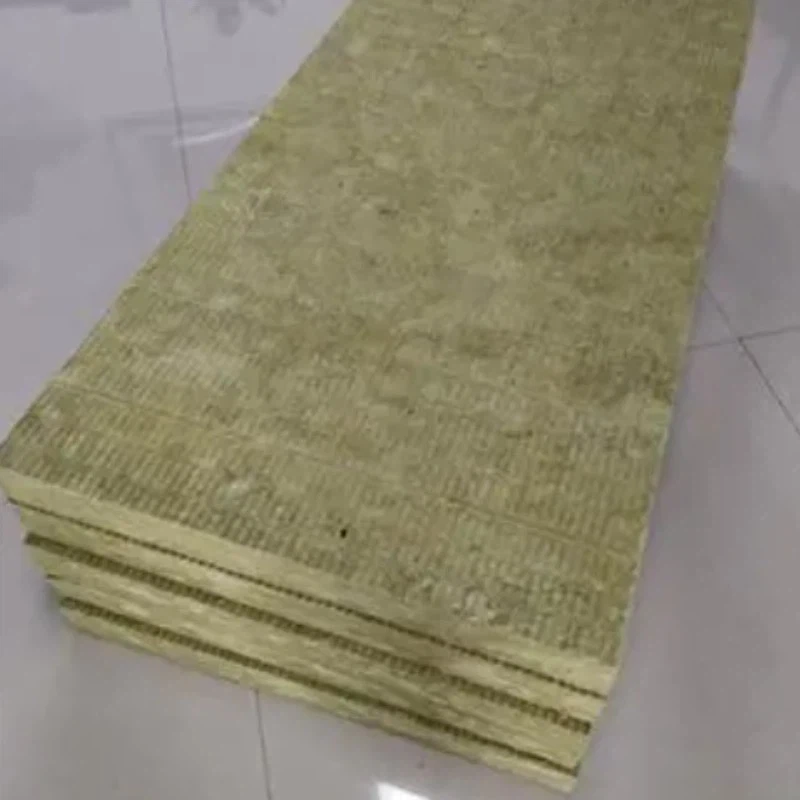

In terms of long - term health effects, there have been a lot of studies. The World Health Organization (WHO) and other health agencies have looked into it. The general consensus is that if fiberglass wool is used and handled properly, the risk to human health is relatively low. However, if you're constantly exposed to high levels of airborne fiberglass fibers over a long period, there could be some health issues. But this is more likely in industrial settings where there's a lot of cutting and handling of the material without proper safety measures.
For us as a supplier, we take safety very seriously. We make sure that our fiberglass wool products meet all the relevant safety standards. We also provide detailed safety instructions to our customers. When you buy our fiberglass wool, we'll tell you how to install it safely, what kind of protective gear to wear, and how to store it properly.
If you're a DIYer looking to insulate your home, don't be too worried. Just follow the safety guidelines. Wear a dust mask, goggles, and gloves. And make sure the area is well - ventilated when you're working with the fiberglass wool. If you're an industrial user, you should have proper safety protocols in place, like using ventilation systems to remove any airborne fibers.
So, is fiberglass wool safe for human health? The answer is yes, as long as it's used and handled correctly. It's a great material for insulation, offering good thermal and acoustic properties. And with the right precautions, you can enjoy the benefits without putting your health at risk.
If you're interested in purchasing fiberglass wool for your project, whether it's a small home improvement or a large industrial job, I'd love to chat with you. We can discuss your specific needs, the best product for you, and how to ensure a safe and successful installation. Just reach out, and let's start the conversation.
References
- World Health Organization (WHO) reports on fiberglass and human health
- Industry safety standards and guidelines for fiberglass wool products


